A stainless steel chimney liner is a continuous metal flue that runs from your stove, insert or furnace to the top of the chimney. It goes inside a cracked clay tile flue, gives an unlined chimney a safe path for smoke and gases, and brings an oversized flue down to the size your appliance needs.
Advanced Chimney Techniques’ CSIA-certified technicians install stainless steel liners for homes in Columbia, Jefferson City and across Central Missouri. When they’re professionally installed, our stainless steel liners carry a lifetime warranty.
Still deciding between repairing, restoring or replacing your flue? Our chimney relining and liner options page compares clay tile, stainless steel and ceramic flue sealant restoration. This page covers one job: installing a new stainless steel liner.
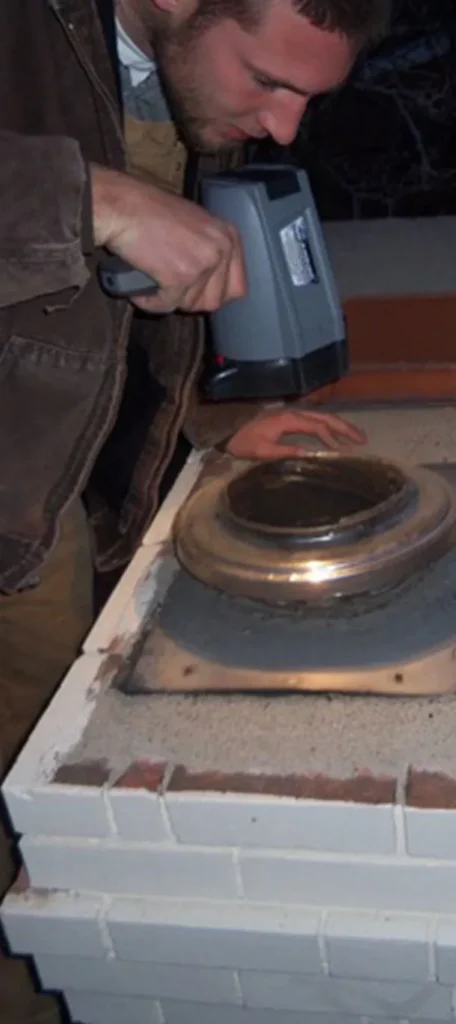
Not sure where your chimney stands? Start with a chimney inspection. Our technician will tell you whether the flue can be repaired or restored, or whether it needs a new liner.
A liner that’s too large lets flue gases cool and slow down. One that’s too small can’t move enough smoke and may spill it back into the house. We size every liner to the appliance it will vent and follow the appliance manufacturer’s venting requirements.
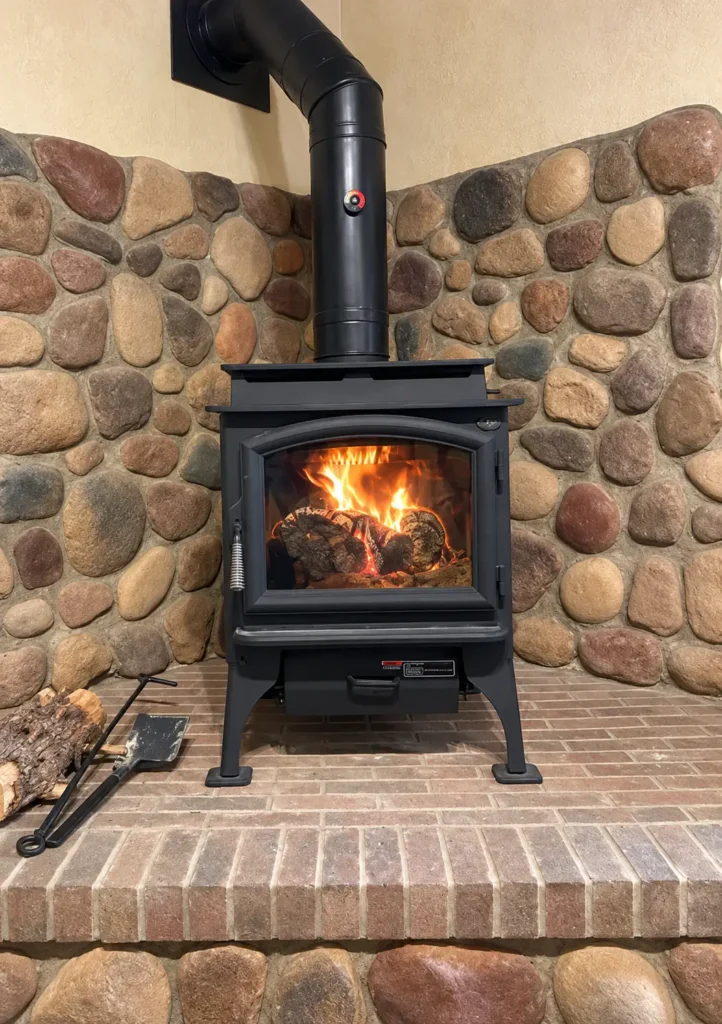
Wood stoves and fireplace inserts. Wood burns hot and leaves creosote, so the liner has to be rated for solid fuel. Wood-burning installs are often insulated, which keeps the flue warmer, helps it draft and keeps heat away from nearby combustible materials.
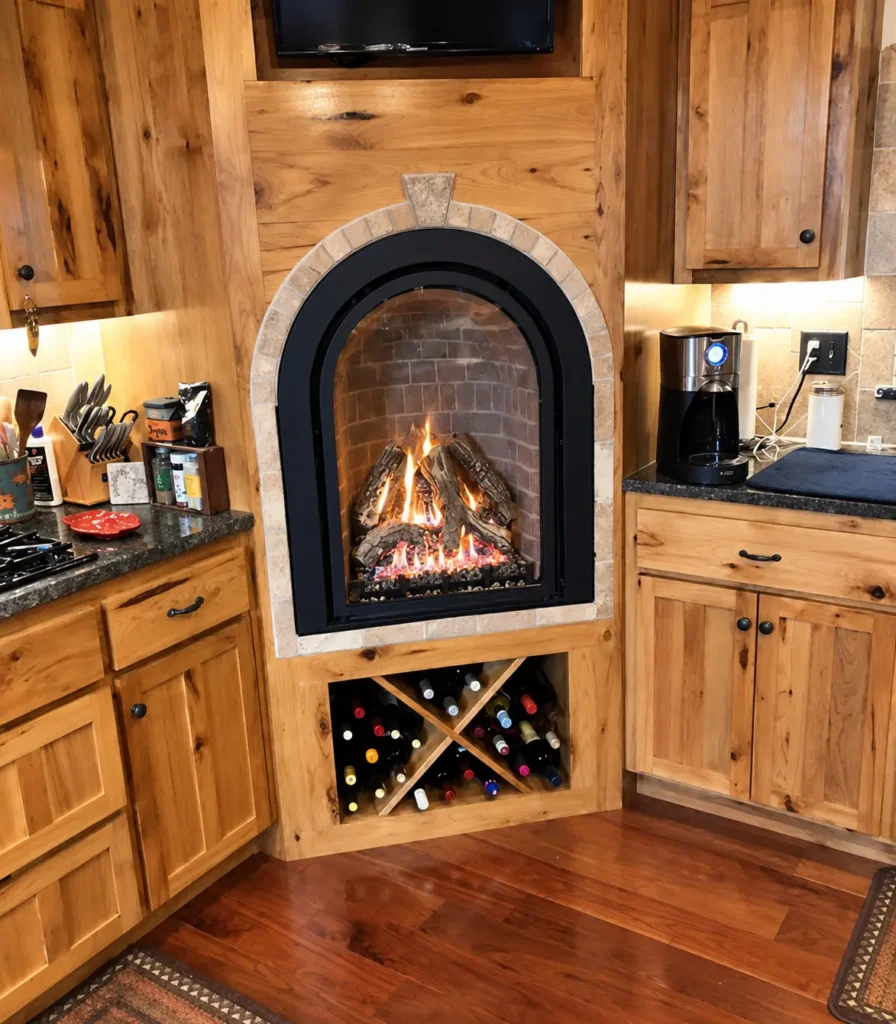
Gas appliances. Gas burns cooler, but its exhaust carries water vapor that condenses in a cold, oversized flue and wears down masonry. A liner sized to the gas appliance keeps exhaust moving and moisture out of the chimney. We also reline flues for gas water heaters.
Oil furnaces and boilers. Oil exhaust is corrosive to clay tile and mortar. A stainless liner rated for oil gives those gases a corrosion-resistant path out.
Every stainless liner installation includes:
1. Inspect and measure. We confirm the liner is the right fix and record the sizes we need.
2. Prepare the chimney. We clean the flue and, where needed, remove broken tile or make repairs so the liner fits a sound chimney.
3. Install the liner. The liner goes in from the roof, gets insulated if required, and is connected to the appliance.
4. Seal the top. The top plate and cap keep rain and animals out.
5. Test and walk through. We check that the system drafts and show you what was done.
How long does it take? It depends on the chimney’s height, whether old tile has to come out, and whether repairs are needed first. We’ll give you a timeline with your estimate, so you know what to expect before we start.
Do I need a stainless liner if my chimney already has clay tile?
Not always. Tile in good shape and sized for your appliance can keep working. If the tile is cracked or the wrong size for a new stove or insert, a stainless liner is the usual fix. An inspection tells you which applies.
How long does a stainless steel chimney liner last?
Stainless steel resists corrosion, and our professionally installed stainless steel liners carry a lifetime warranty. Yearly sweeping and inspection help keep it in good condition.
Does a stainless chimney liner need to be insulated?
It depends on the appliance, the manufacturer’s requirements and how close the chimney is to combustible materials. Wood-burning installs are often insulated. We’ll tell you what your setup needs.
Can you install a liner for a new wood stove or fireplace insert?
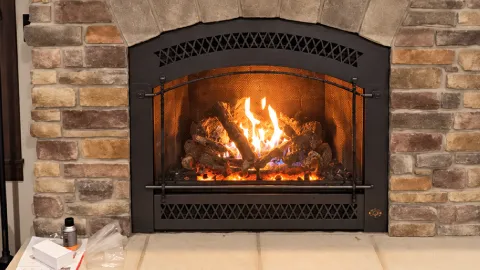
Yes. That’s one of the most common reasons we install stainless liners. You can also see stoves and inserts in person at our showroom in Jamestown.
Can one chimney vent two appliances?
Each appliance usually needs its own properly sized flue. If your chimney serves more than one appliance, we’ll check whether it has room for separate liners.
Ready to schedule? Call 660-849-2525 or contact us to set up an inspection and estimate. We serve Columbia, Jefferson City, Jamestown, Sedalia, Boonville, Fulton, Moberly, California, Tipton, Fayette and Ashland.
Ready to Get Started?
Tell us what’s going on with your chimney, fireplace, stove, or venting system. Our certified chimney professionals will help you find the right solution to keep your home safe, comfortable, and ready to enjoy.
NFI Certified Technicians have the knowledge and training to install, insect and service fireplaces the right way.